


The European Union has strengthened the
communication and information management capacity of officials of the
Independent National Electoral Commission (INEC) in Osun State as part of
ongoing efforts to support credible, peaceful and transparent elections ahead
of the forthcoming Osun State Governorship Election.
The intervention was carried out under the
European Union Support to Democratic Governance in Nigeria (EU-SDGN II)
programme and equipped INEC officials with practical skills in digital
literacy, factchecking, crisis communication and proactive public information
management to strengthen the Commission's preparedness for the election.
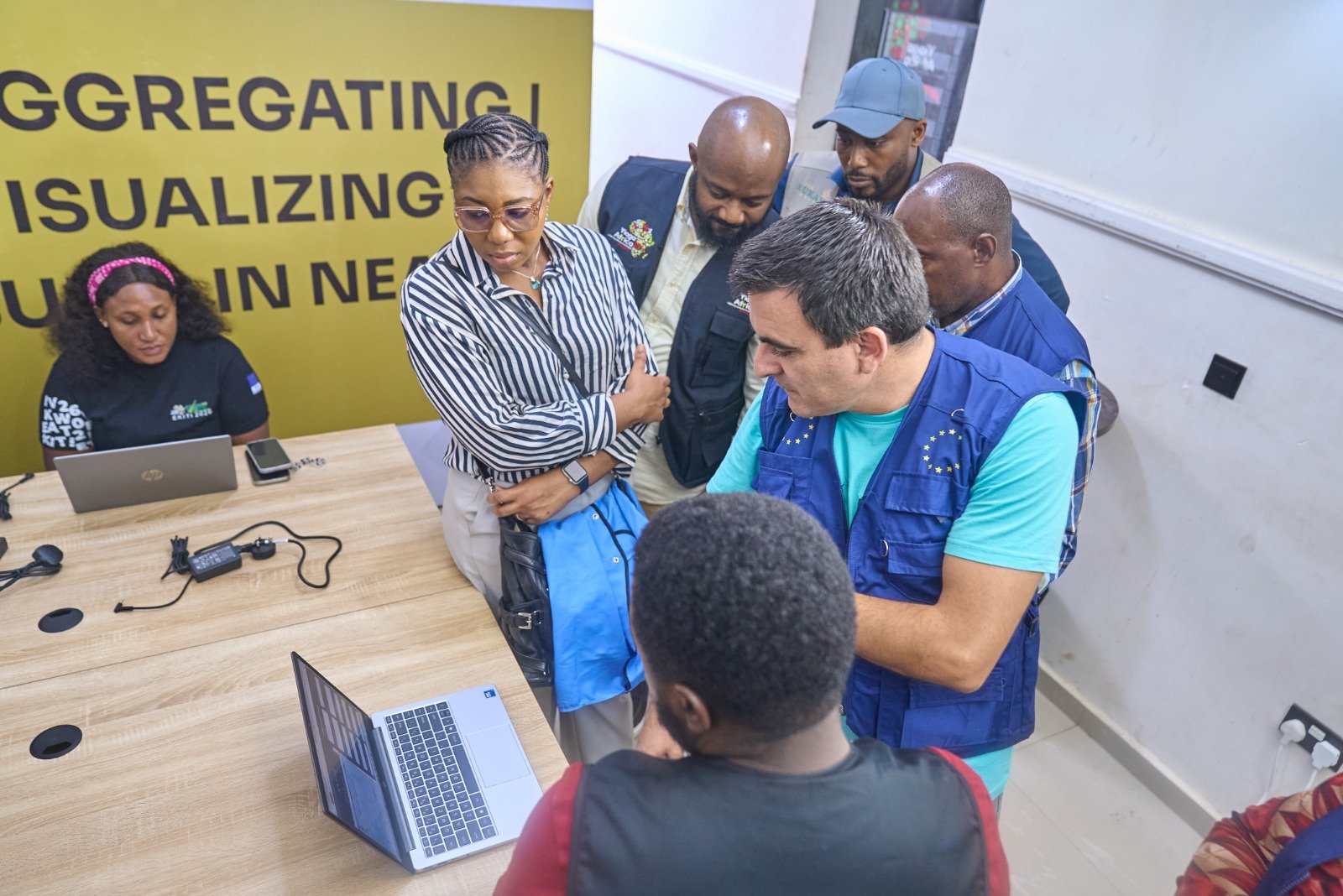
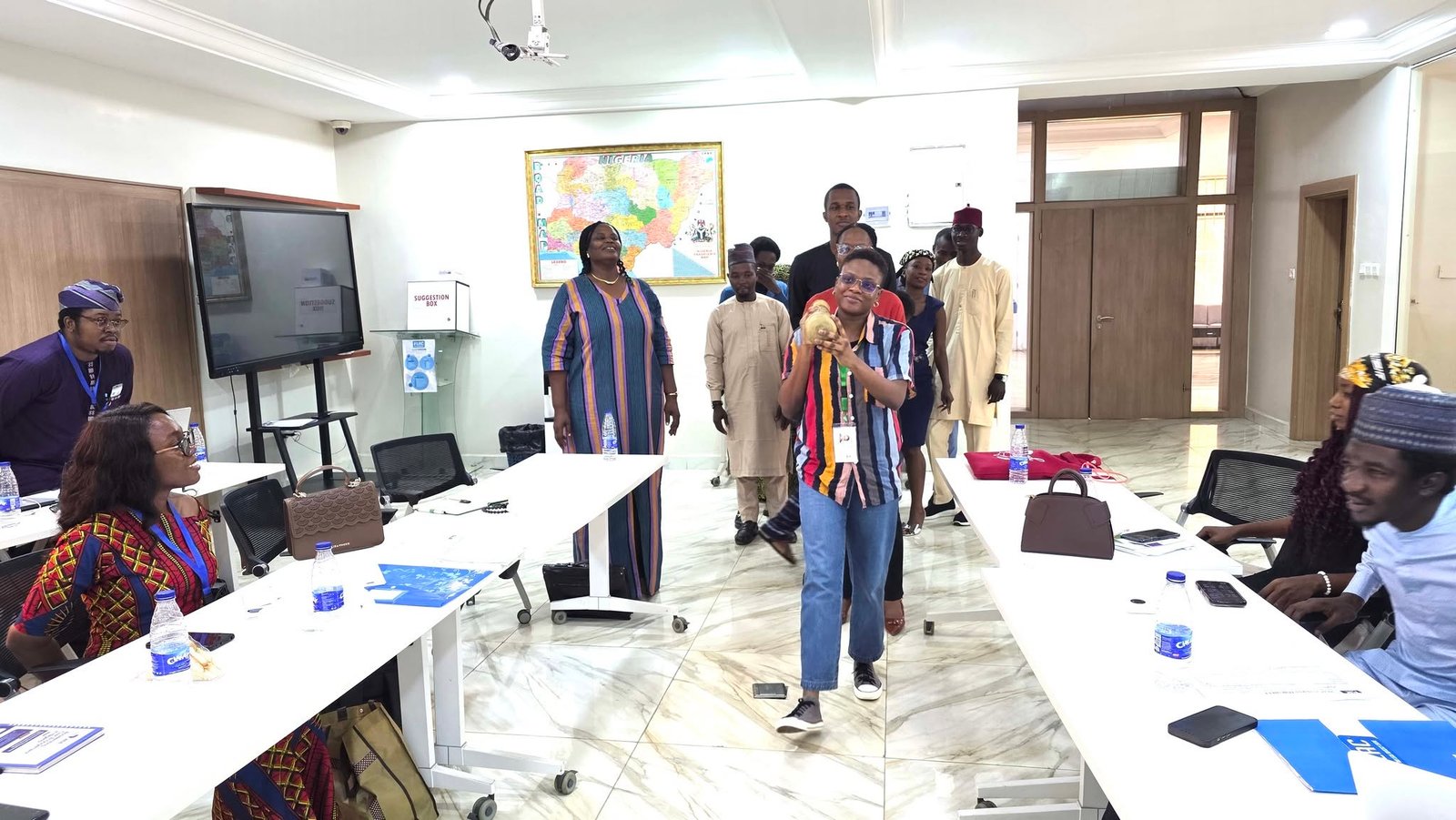
Over three days, participants drawn from
the Voter Education and Publicity Department, Electoral Officers, Heads of
Departments, ICT personnel and other senior officials enhanced their ability to
verify information, monitor digital platforms, identify emerging information
threats and respond effectively to misinformation, disinformation and other
communication challenges that could undermine public confidence in the
electoral process. The sessions combined expert presentations, interactive
discussions, practical exercises and scenario-based simulations to strengthen
participants' communication and crisis response capabilities.
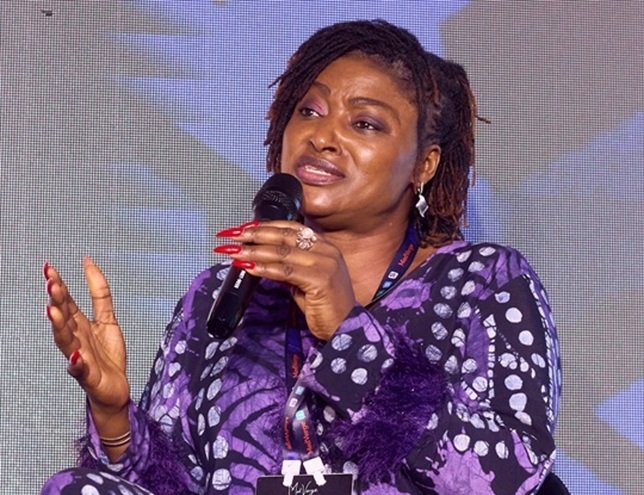
Speaking at the conclusion of the
workshops, Executive Director of the International Press Centre (IPC), Mr Lanre
Arogundade, whose organisation is an implementing partner under the EU-SDGN
programme, said strengthening the communication capacity of election officials
is increasingly important in safeguarding the integrity of elections.
"The integrity of elections today
depends not only on the conduct of the polls but also on the quality and
credibility of information available to citizens. These workshops have equipped
INEC officials with practical skills to identify false narratives, communicate
proactively and respond effectively to information threats that could undermine
public confidence in the electoral process. Strengthening institutional
communication capacity is now an essential component of electoral
preparedness."
Commenting on the initiative, Mr Rudolf
Elbling, Team Leader for the DAI-implemented component of the EU-SDGN II
programme, said effective communication has become indispensable to
strengthening public confidence in democratic processes.
"Public trust in elections depends
not only on sound electoral administration but also on timely, accurate and
transparent communication. Through the European Union Support to Democratic
Governance in Nigeria programme, the European Union continues to support
institutions with the knowledge and tools required to respond effectively to
emerging information challenges, promote transparency and contribute to
credible, inclusive and peaceful electoral processes."
The workshops covered information
verification, digital literacy, fact-checking methodologies, social media
monitoring, stakeholder engagement, media relations, crisis communication
planning and institutional response mechanisms. Participants also developed
practical approaches for responding rapidly and consistently to communication
challenges throughout the electoral cycle.
The intervention forms part of the
European Union's broader support to strengthening electoral institutions and
democratic governance in Nigeria by enhancing institutional resilience,
promoting transparency and reinforcing public confidence in the electoral
process.